Table of contents
Freeride sports are evolving rapidly, and the equipment rental landscape is keeping pace with these changes. As new technologies and consumer preferences shape the way enthusiasts experience the slopes, rental services are adapting to meet diverse needs. Delve deeper into the following sections to discover how innovation, sustainability, and digital advances are reshaping freeride sports equipment rentals.
Innovation in rental gear
Freeride gear available through mountain sports rentals has undergone significant transformation, driven by ongoing sports equipment innovation and the evolving demands of enthusiasts. Advanced sports equipment now utilizes lightweight composite materials such as carbon fiber blends and high-density polymers, which offer enhanced strength without sacrificing maneuverability. Adaptive flex patterns in skis and snowboards ensure optimal response during dynamic descents, catering to varied rider preferences and terrain conditions. Improved safety features, including integrated avalanche transceivers and multi-impact protection systems, are becoming standard in rental trends, providing peace of mind while maximizing on-mountain performance.
Another notable shift in the landscape of freeride sports equipment rentals is the emergence of customizable gear options. Rental providers increasingly offer adjustable binding systems, modular helmet components, and tailored boot fittings, addressing the unique biomechanics and skill levels of each user. This personalized approach not only elevates comfort but also translates to greater control and efficiency on challenging slopes. These advancements collectively enhance the user experience, making modern freeride gear rentals an attractive choice for both seasoned athletes and newcomers seeking cutting-edge technology in mountain sports rentals.
Sustainability meets rentals
As awareness of environmental impact deepens, freeride sports equipment rentals are undergoing a transformation toward sustainable sports gear and green equipment options. Rental companies now actively integrate life cycle assessment into their operations, carefully evaluating the full environmental footprint of their products from production to disposal. Many have pivoted toward sourcing gear made from eco-friendly materials such as recycled composites, bio-based plastics, and responsibly harvested wood. These initiatives go hand in hand with green business practices, including utilizing renewable energy in stores, minimizing single-use packaging, and maintaining gear for longer periods through repairs and upgrades. In the freeride sports sustainability movement, upcycled and reusable gear have become highly sought-after, attracting a growing customer base of environmentally conscious adventurers seeking eco-friendly rentals without compromising on performance or safety.
Rental providers are also reducing their carbon footprint by optimizing logistics, choosing local suppliers to cut transportation emissions, and educating users about responsible equipment care. The industry’s shift is most visible in mountain destinations known for natural beauty, where businesses like ski rental verbier exemplify these changes by offering sustainable alternatives to traditional gear and implementing circular economy principles. As consumer demand for greener choices escalates, the market for sustainable rentals is expected to expand further, making eco-friendly solutions a new standard in the world of freeride sports.
Digital transformation of rental services
The evolution of digital rentals in freeride sports equipment is being rapidly steered by cutting-edge smart rental platforms and the proliferation of sports equipment app solutions. The integration of comprehensive online booking systems has enabled enthusiasts to reserve gear anytime, streamlining the process and minimizing friction at every touchpoint. Today’s platforms harness machine learning algorithms not just for inventory management, but to deliver personalized recommendations, ensuring that users are matched with the gear most suited to their skill level, preference, and even local weather conditions. In addition, contactless pick-up facilitated through secure authentication technologies means that customers can collect their reserved equipment with minimal human interaction—an innovation that enhances both convenience and safety. Data-driven sports rentals platforms are also gathering anonymized performance metrics, allowing operators to predict demand trends more accurately, optimize maintenance schedules, and tailor marketing efforts, culminating in a smarter, more responsive rental ecosystem.
Personalization and user experience
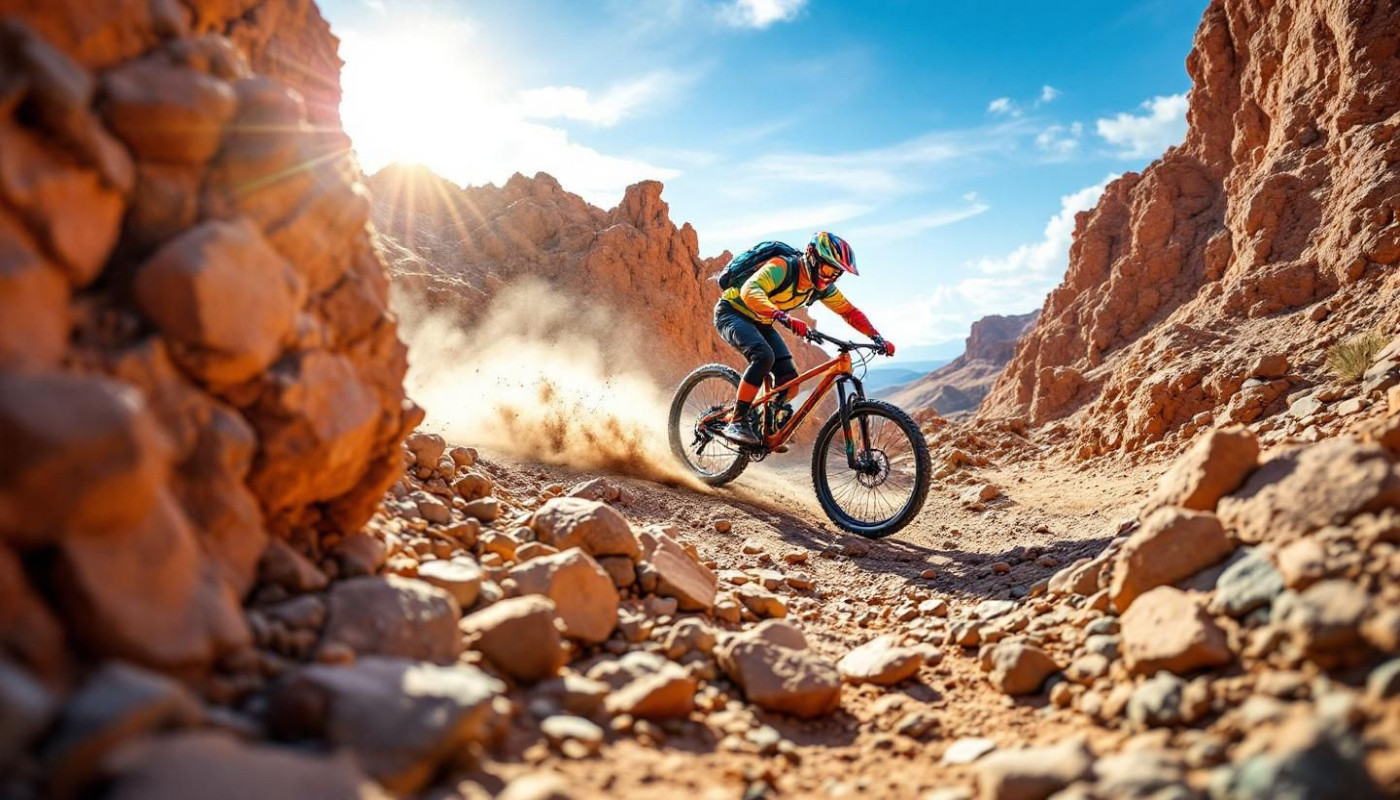
Personalized rentals have become a defining trend in the freeride sports equipment sector, responding to growing demand for tailored equipment and custom sports gear. Rental businesses now invest in advanced biomechanical assessment tools that precisely measure body dimensions, riding style, and performance needs, ensuring that each user receives gear perfectly fitted to their unique requirements. The growing popularity of custom sports gear packages offers clients the flexibility to combine items optimized for their skill level and adventure goals, substantially enhancing overall user experience during their sessions on snow, trail, or water.
User-centric services are at the forefront of this evolution, with continuous feedback loops playing a pivotal role in refining the rental process. Detailed post-rental surveys and digital feedback channels help providers track satisfaction levels, quickly resolve issues, and anticipate client preferences for future visits. Freeride sports fitting now often integrates digital scanning and artificial intelligence-driven recommendations, resulting in not only a higher level of comfort but also improved safety and performance. As a result, the focus on tailored equipment packages and constant user input promises to set new standards in the personalized rentals industry, meeting the needs of both novice and experienced riders alike.
Pricing models and accessibility
The landscape of sports rental pricing in the freeride segment is rapidly shifting toward increased flexibility and inclusivity. Equipment subscription services have emerged as a game-changer, allowing users to access premium gear through monthly or annual memberships rather than traditional per-day fees. This tiered pricing structure is particularly advantageous for newcomers who may be deterred by high upfront costs, while providing regular enthusiasts with cost-effective ways to upgrade or swap equipment as their skills progress. In addition, dynamic pricing strategies—where rental rates fluctuate based on demand, seasonality, and inventory—ensure that affordable sports rentals are available during off-peak periods, further enhancing freeride access for a broader demographic.
Rental companies are also introducing seasonal packages tailored to both short-term visitors and dedicated athletes, fostering a more open entry point into freeride sports. By lowering the cost barrier and offering scalable options, these models encourage participation from individuals who might otherwise be excluded due to financial constraints. Equipment subscription plans often come with perks such as priority reservations and maintenance services, adding value for frequent users while maintaining affordability for occasional adventurers.
As a result of these innovations, the freeride community is witnessing a significant shift in accessibility. Adaptive sports rental pricing and creative packages not only democratize the experience but also drive industry growth by attracting a diverse range of participants. The movement toward flexible options—supported by dynamic pricing and tiered structures—signals a future where freeride access is no longer limited by budget, but shaped by the evolving needs and preferences of the sporting public.
Similar articles
How To Choose The Right SUP Board For Your Skill Level?

Navigating the world of plant-based proteins for fitness enthusiasts

Exploring The Psychological Impact Of Underdog Victories In Sports

Exploring The Link Between Vegan Diet And Enhanced Yoga Practice

Unmasking the Secrets of Kalaripayattu: India's Ancient Martial Art
